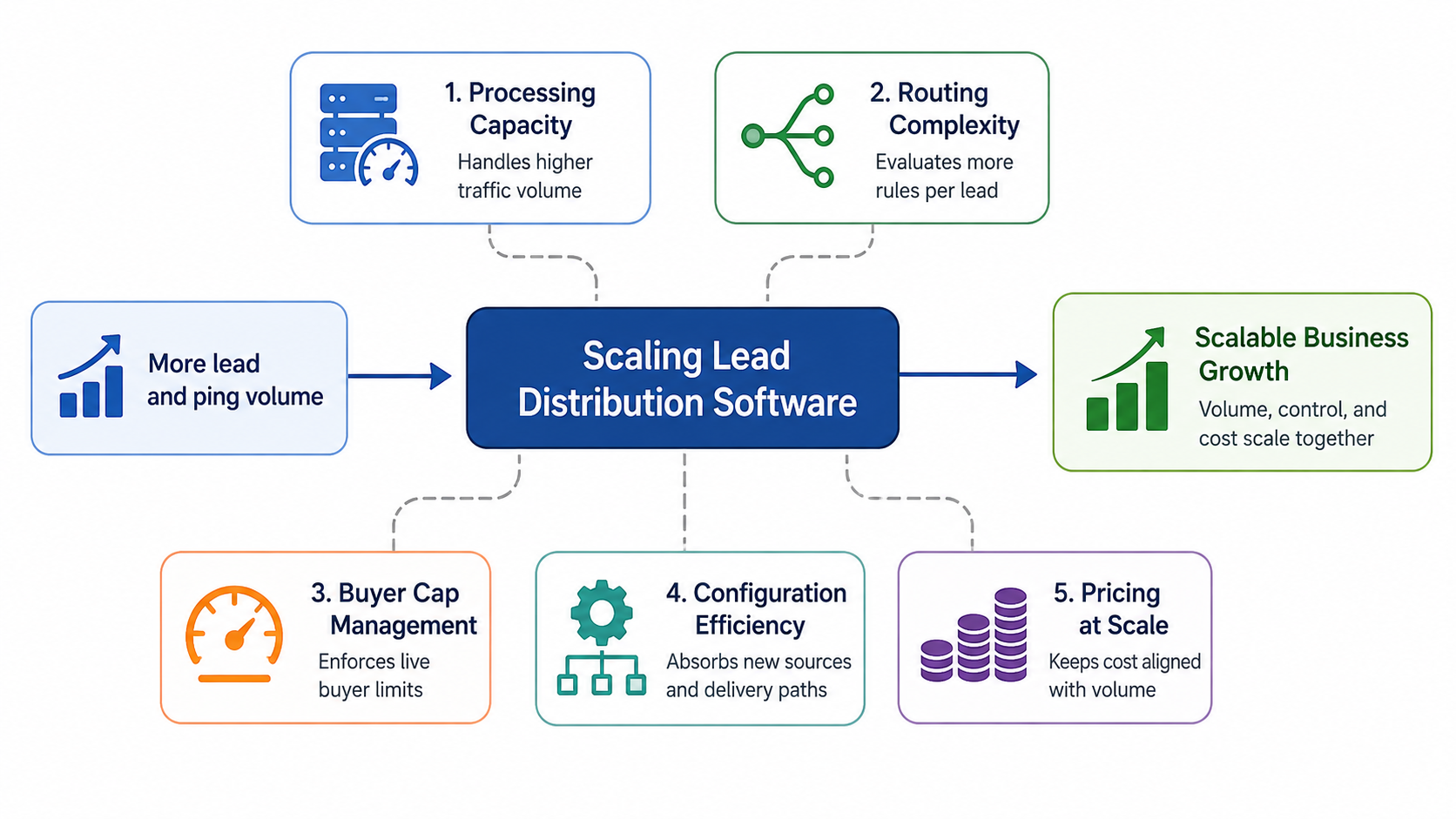
Scaling with Lead Distribution
It's important that as a business's lead generation efforts scale, their distribution program does as well. Lead generation that gets choked in distribution results in lost revenue and opportunities.
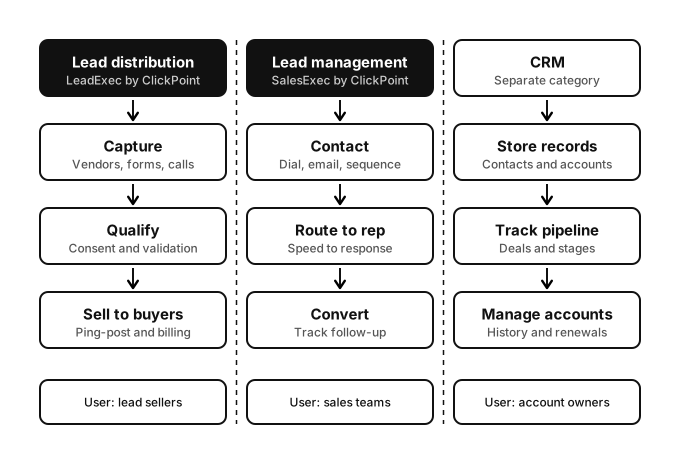
Lead distribution, lead management, compliance, and sales engagement, written by the team that builds LeadExec and SalesExec.
It's important that as a business's lead generation efforts scale, their distribution program does as well. Lead generation that gets choked in distribution results in lost revenue and opportunities.
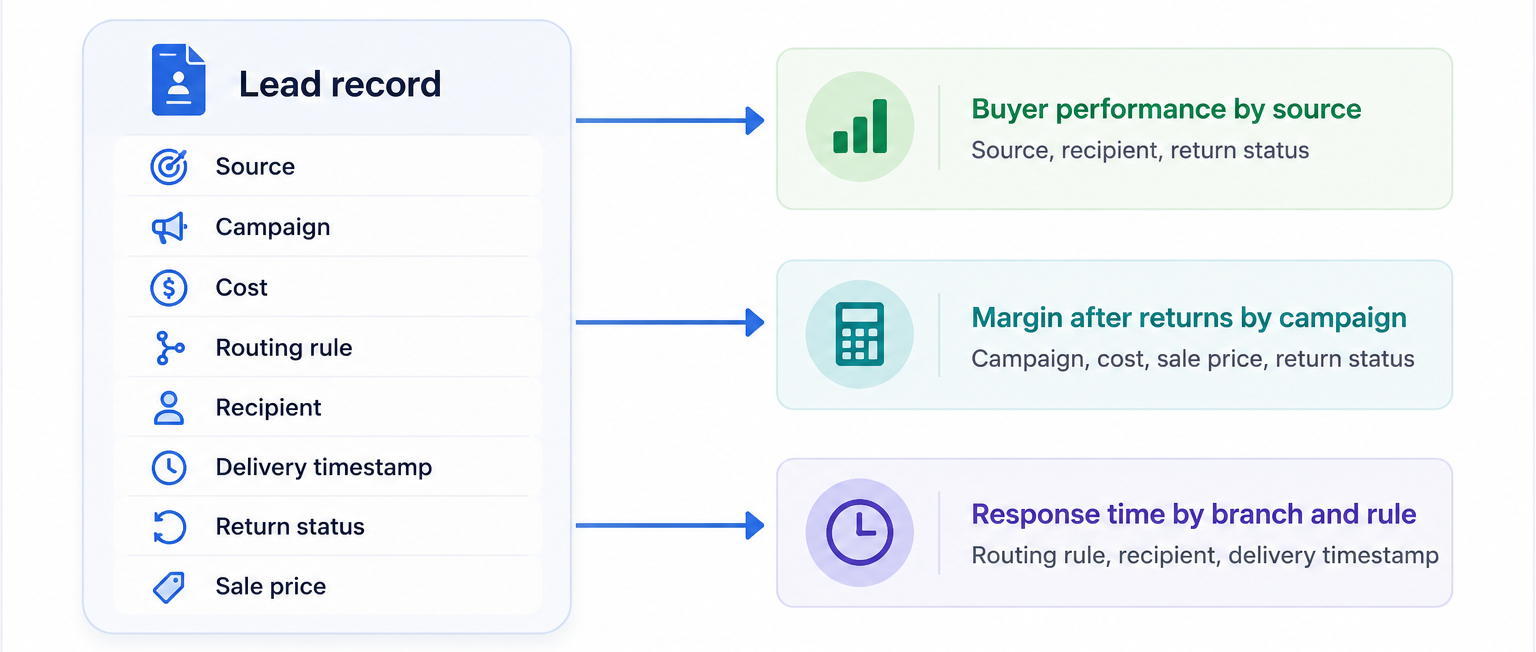
Comprehensive Lead Distribution Reporting The insights in this article are based on reporting requirements observed across lead generation companies and enterprise organizations using LeadExec for their Lead Distribution.
Updated November 6, 2026
Lead distribution software developed inside the lead generation industry, where independent operators capture consumer interest and sell it to networks of buyers. Enterprise brands operate inversely. They buy media at the corporate level and distribute the resulting demand to franchisees, dealers, regional offices, or independent advisors.
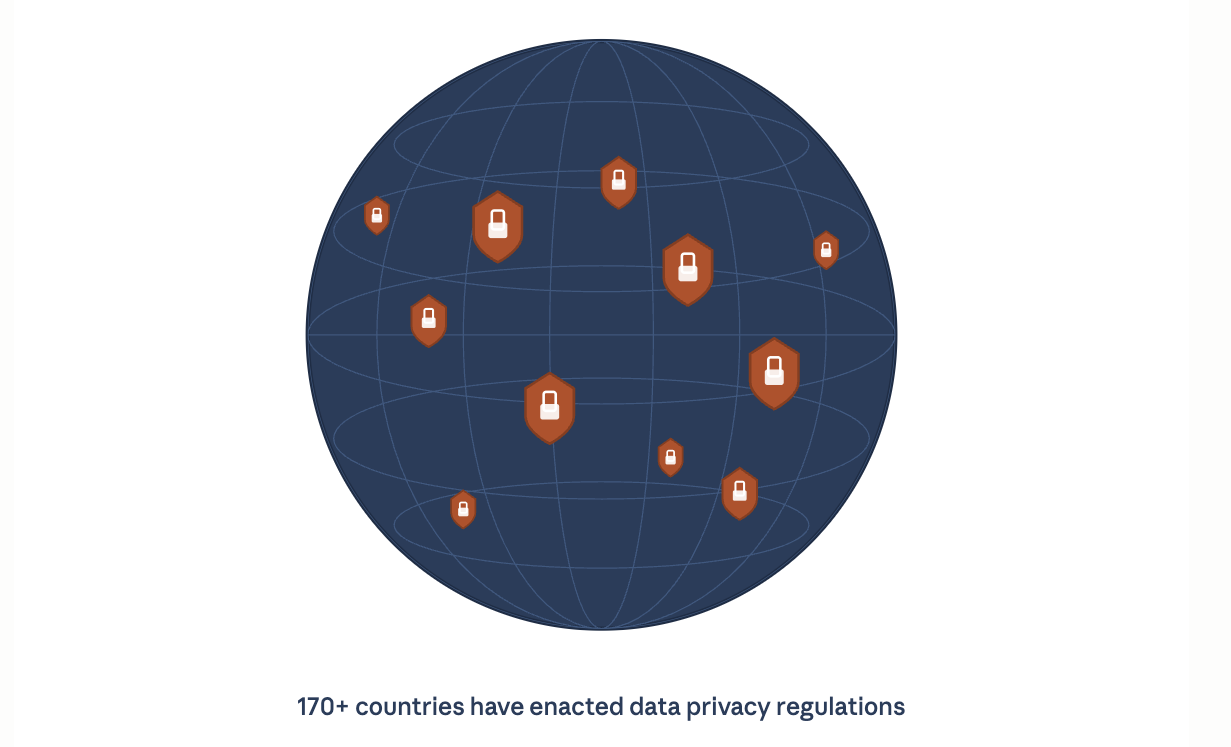
As a US-based company with primarily US-based clients, our compliance content tends to focus on federal and state regulations here in the US. GDPR comes up in those articles, but usually in the context of how it compares to domestic frameworks. The conversation around international compliance is important both for practical compliance and in how it informs regulatory patterns and attitudes across borders.
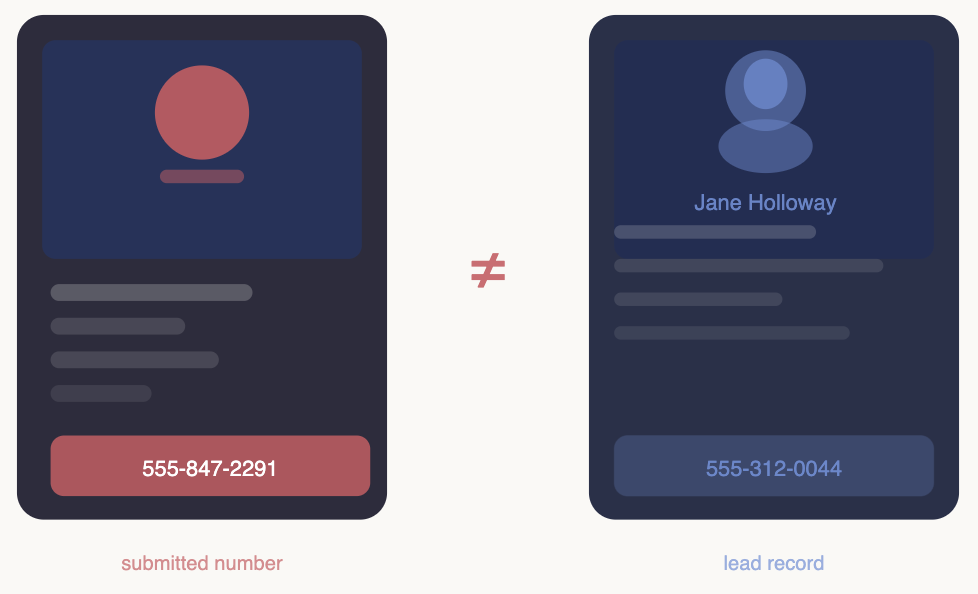
When a buyer returns a lead citing 'bad lead' or 'wrong number,' the reason could be almost anything: a duplicate submission, a consumer who never requested contact, or a phone number that belongs to someone else entirely. Returns erode revenue and buyer trust, and those tied to identity mismatches are difficult to diagnose.
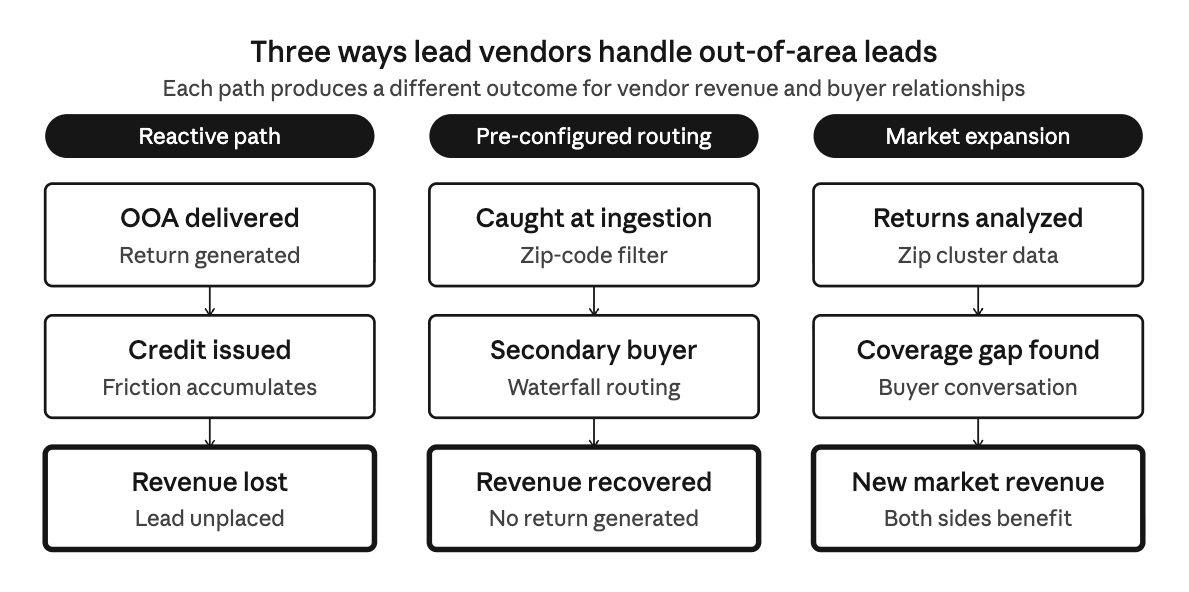
TL;DR Out-of-area leads are a structural feature of lead generation campaigns. Buyers expect vendors to absorb the cost through credits and refunds, but vendors who build secondary buyer networks and pre-configure routing logic recover OOA revenue rather than writing it off. Zip-level return data also reveals demand patterns that can lead to buyer coverage expansions, converting future OOA leads into billable ones.
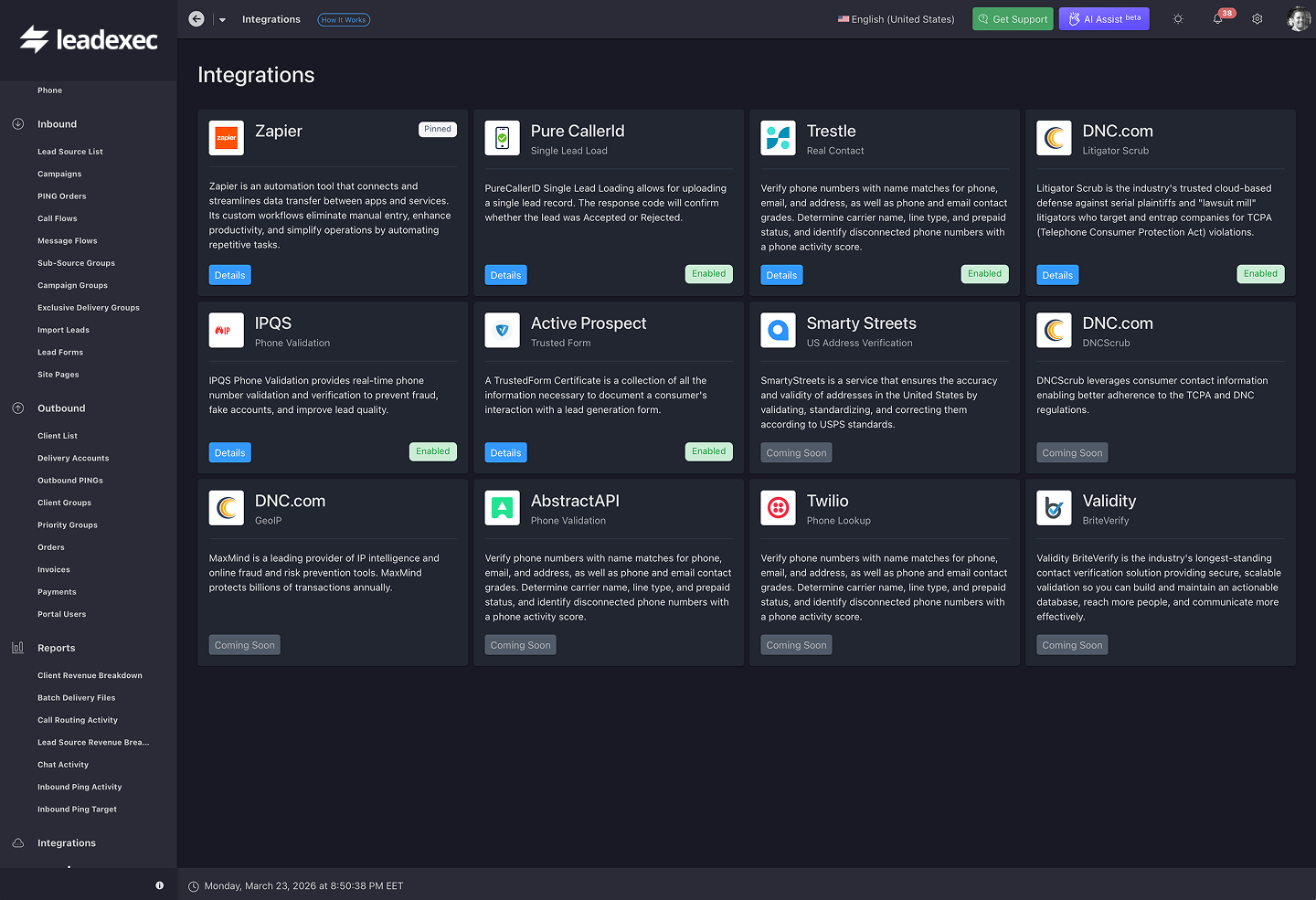
ClickPoint has expanded LeadExec's integration library and standardized how third-party compliance and validation services are configured, giving lead buyers a consistent setup experience that is enabled by lead type, scoped to specific campaigns, and executed automatically as leads arrive.
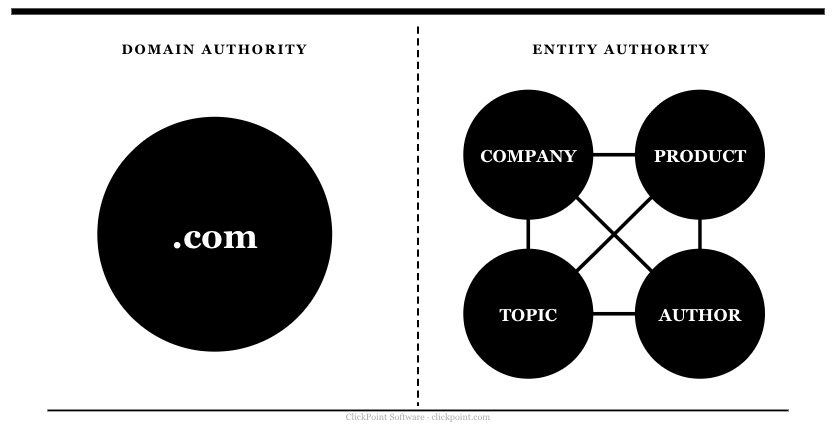
Google's algorithm updates typically arrive unheralded. Traffic moves, rankings shift or crash, and marketers panic. With the February 2026 Discover Core Update, Google explicitly stated its intentions, and what it said tells us a lot about how to build search authority moving forward.
It can be hard to even conceive of building a fast, reliable "good lead vs bad lead" scoring system without a heap of historical lead data. Interestingly, not only can it be done, but there are real benefits to establishing a blunt scoring system early on. Waiting for complete conversion data before scoring leads costs revenue. Early scoring using intake signals and operational feedback can improve qualification accuracy as new campaigns stabilize.
Lead sellers usually evaluate performance at acquisition. It’s where budgets are set and results are easiest to compare. But leads don’t stop costing money once they’re captured. Validation, delivery, retries, and returns all affect profitability, and those costs tend to accumulate after the form submission. Segmenting leads by value and risk reduces processing costs without increasing returns.
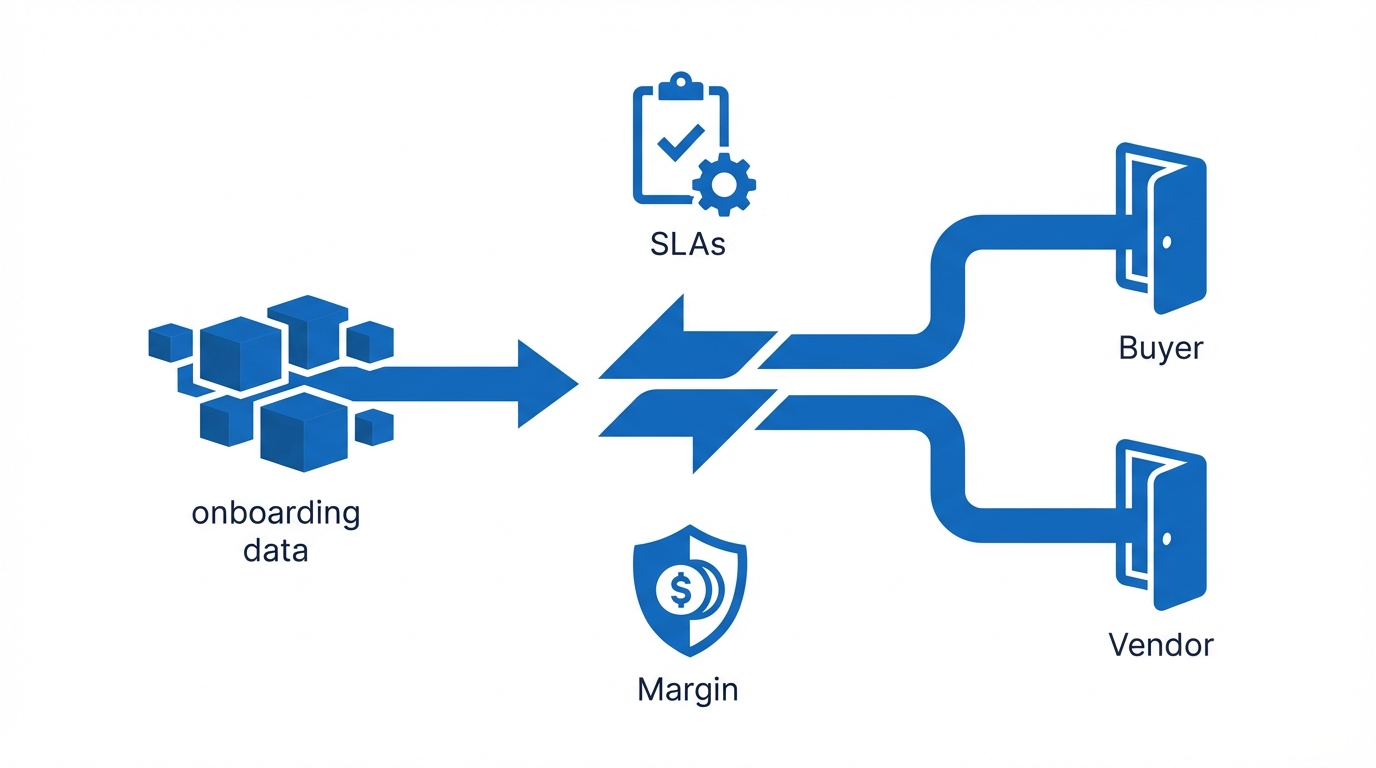
TL;DR Lead returns increase when buyer requirements don’t influence lead routing decisions. Enforcing coverage precision, accepted fields, delivery timing, and capacity limits before delivery reduces preventable returns. Treat onboarding details and SLA terms as routing inputs, not after-the-fact checks.