Lead Generation
HIPAA-Safe Lead Generation: What Marketers Need to Know
Version 1.1 - Updated May 21, 2025
Lead distribution, lead management, compliance, and sales engagement, written by the team that builds LeadExec and SalesExec.
Version 1.1 - Updated May 21, 2025
The General Data Protection Regulation (GDPR) is the most far-reaching privacy law in effect today. Though it is an EU regulation, its impact is global. Any organization that markets to, collects leads from, or processes data belonging to residents of the European Union must comply with GDPR—regardless of where the organization is located.
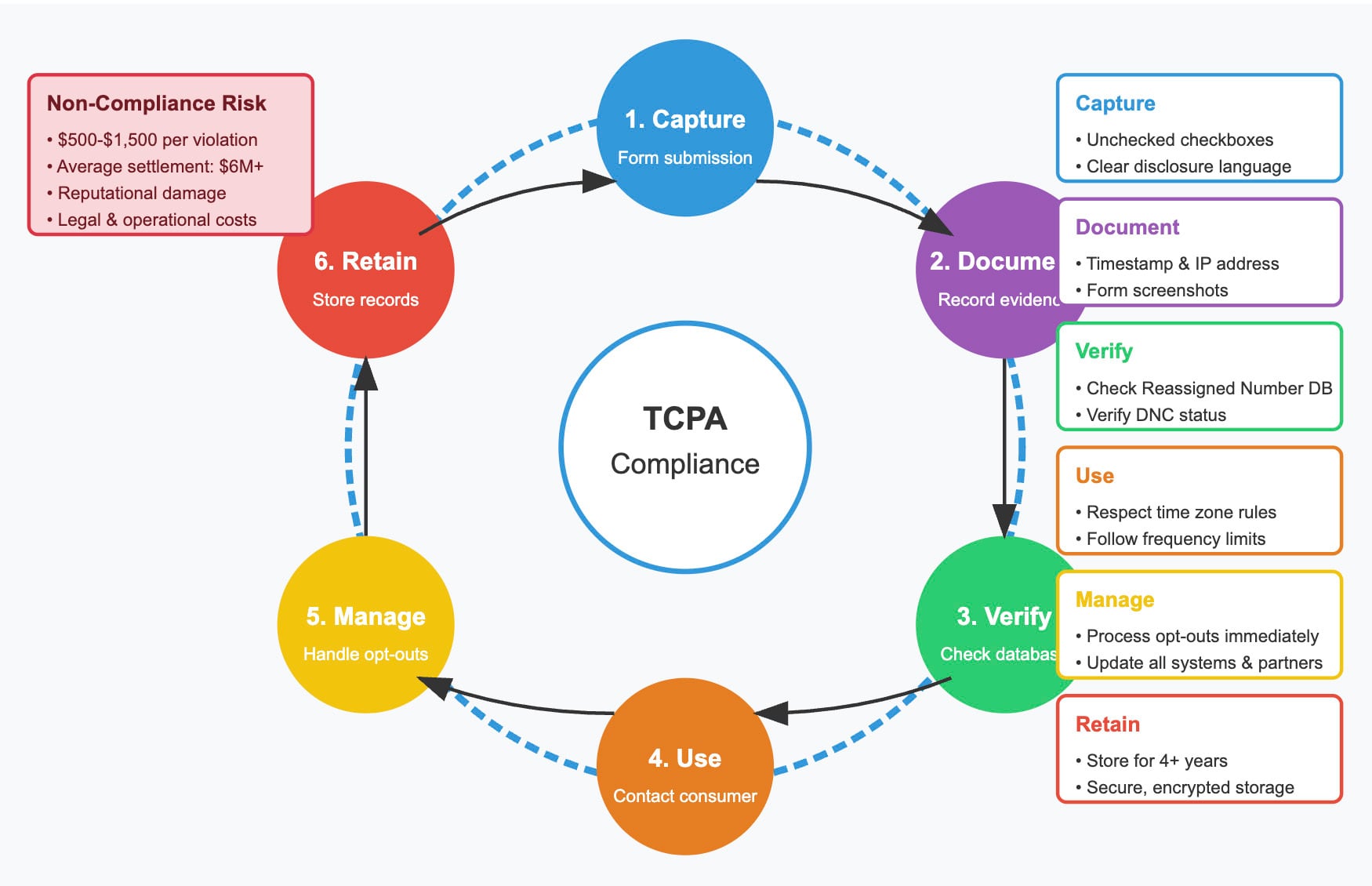
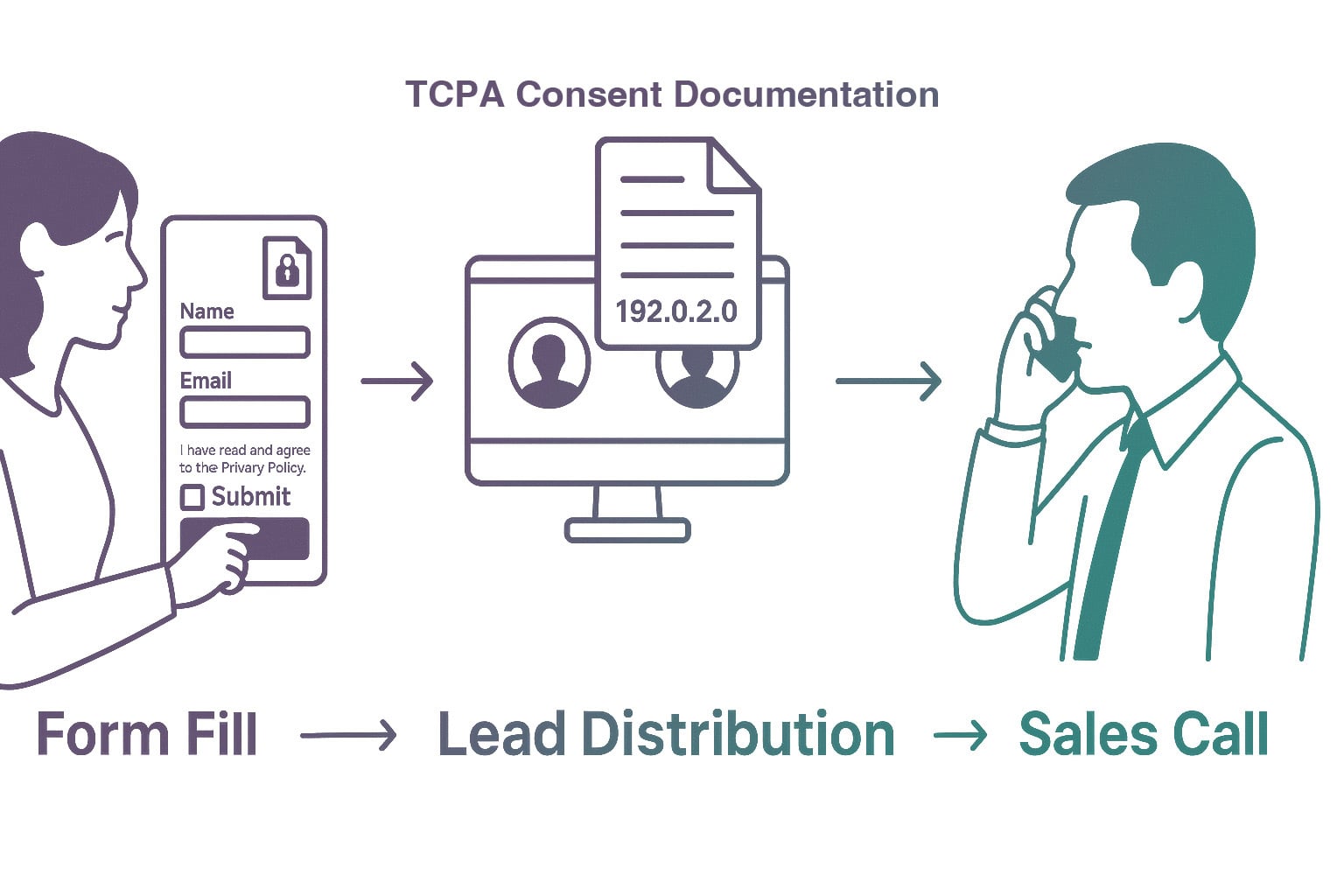
The Telephone Consumer Protection Act (TCPA) doesn’t just regulate how leads are contacted, it governs how they are captured, stored, distributed, and managed. For businesses that rely on lead generation, automated outreach, or third-party distribution, a misstep in any part of that process can lead to significant legal and financial exposure.
The Telephone Consumer Protection Act (TCPA) is one of the most litigated consumer protection laws in the United States. If your business buys, sells, or distributes leads, certifying the compliance of every lead source is a legal necessity.
Lead generation forms that comply with the Telephone Consumer Protection Act (TCPA) are essential if leads will be contacted via phone or text. The TCPA is a law governing how businesses may contact consumers. Compliance is essential for protecting your business from lawsuits and ensuring customer trust.
The California Consumer Privacy Act (CCPA) and its amendment, the California Privacy Rights Act (CPRA), are among the most comprehensive privacy laws in the United States. While focused on California residents, these laws have national reach and are often seen as a blueprint for other state privacy
Introduction Modern lead generation is governed by a growing framework of consumer protection laws. These laws regulate personal data capture, how and when contacts are made, and marketers' obligations when transferring or selling leads.
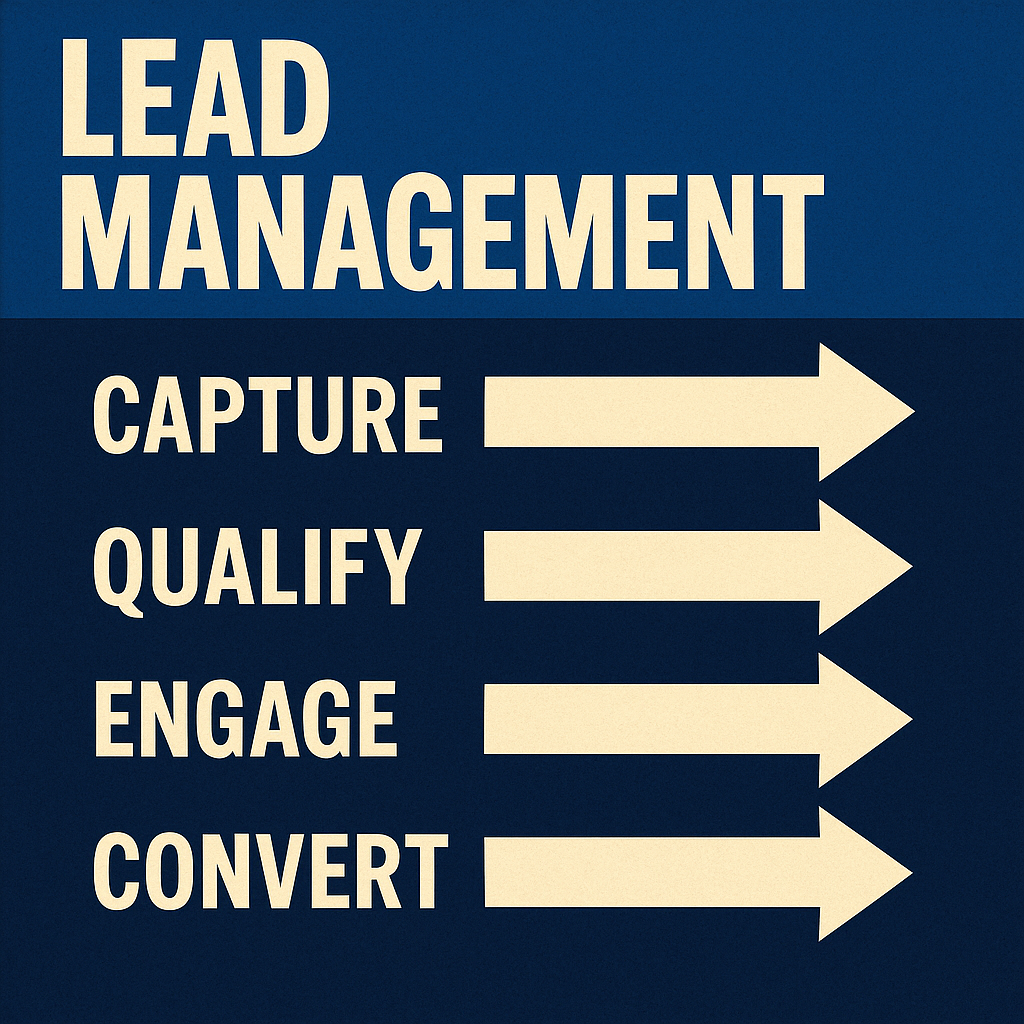
"Lead management software" can mean something different depending on who's using it. That affects which platform is best for which use case. Here's the breakdown.
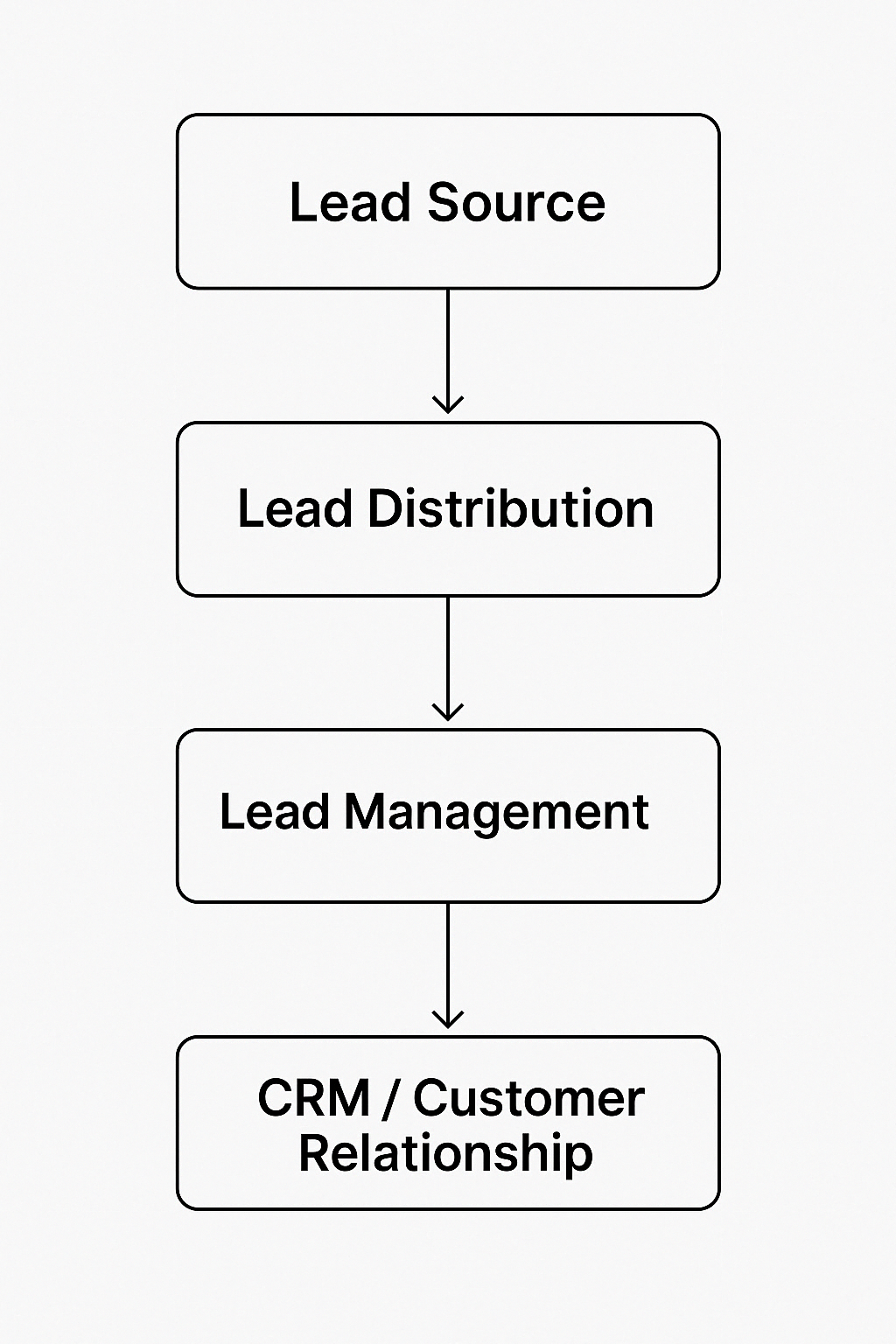
TL;DR: Lead distribution, lead management, and Customer Relationship Management (CRM) are three distinct software categories that solve different problems. Distribution operates on the routing decision. Lead management operates on the contact attempt. CRMs operate on the account. The categories function differently, and the architecture that connects them varies by what an organization does.
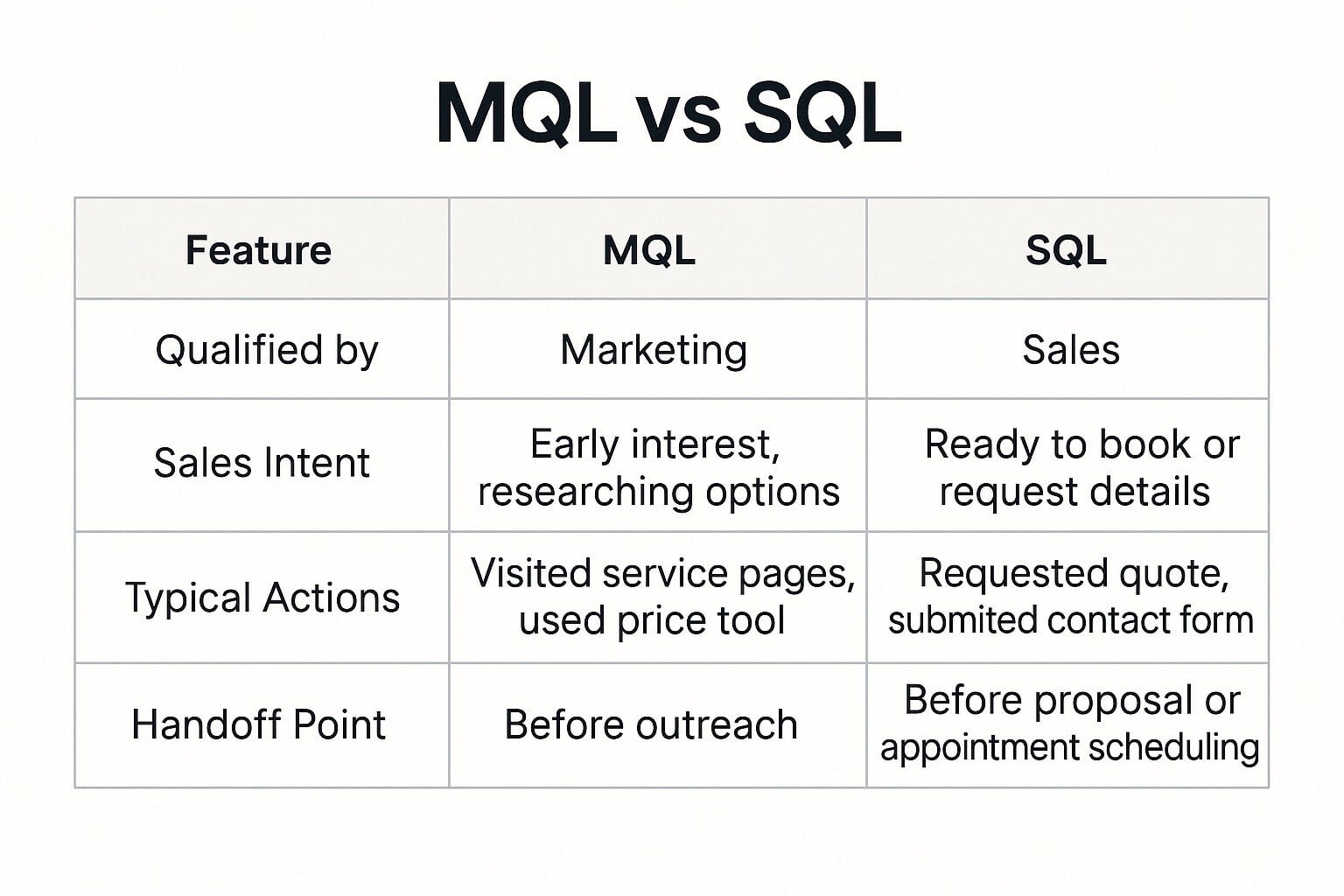
In lead-heavy industries like roofing, insurance, or legal, not every lead is ready to book. Calling every contact is a waste of time and money. That’s where Marketing Qualified Leads (MQLs) come in—they help you focus on the people most likely to convert. A Marketing Qualified Lead (MQL) is a lead that has engaged with your marketing but is not yet ready to speak with sales. MQLs meet specific behavioral or demographic criteria that suggest buying intent. Identifying and managing Marketing Qualified Leads helps companies focus their sales efforts on higher-quality prospects.
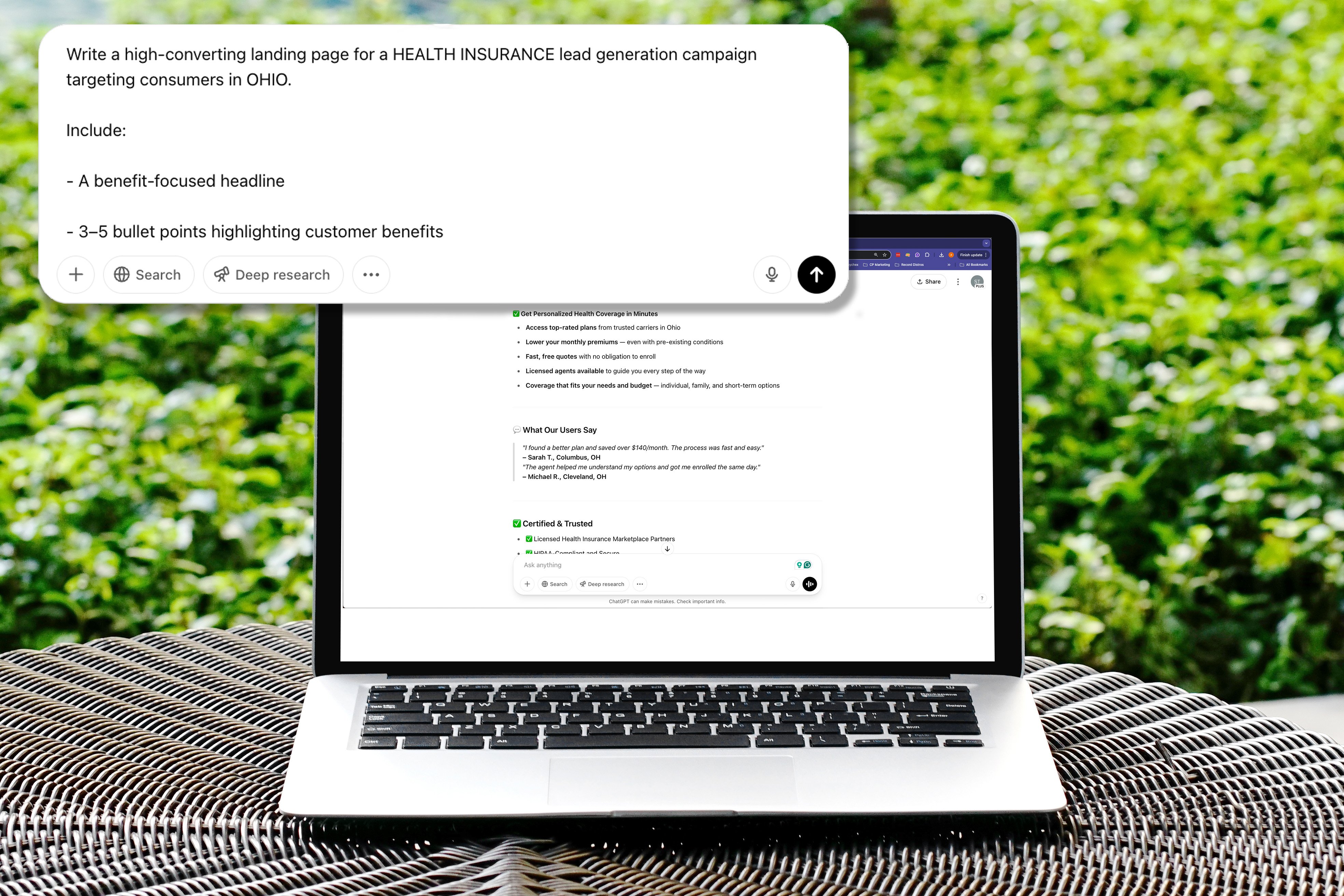
Most landing pages leak leads. If your pages aren’t built to convert, you’re wasting budget—and sending good traffic nowhere. AI can help fix that.
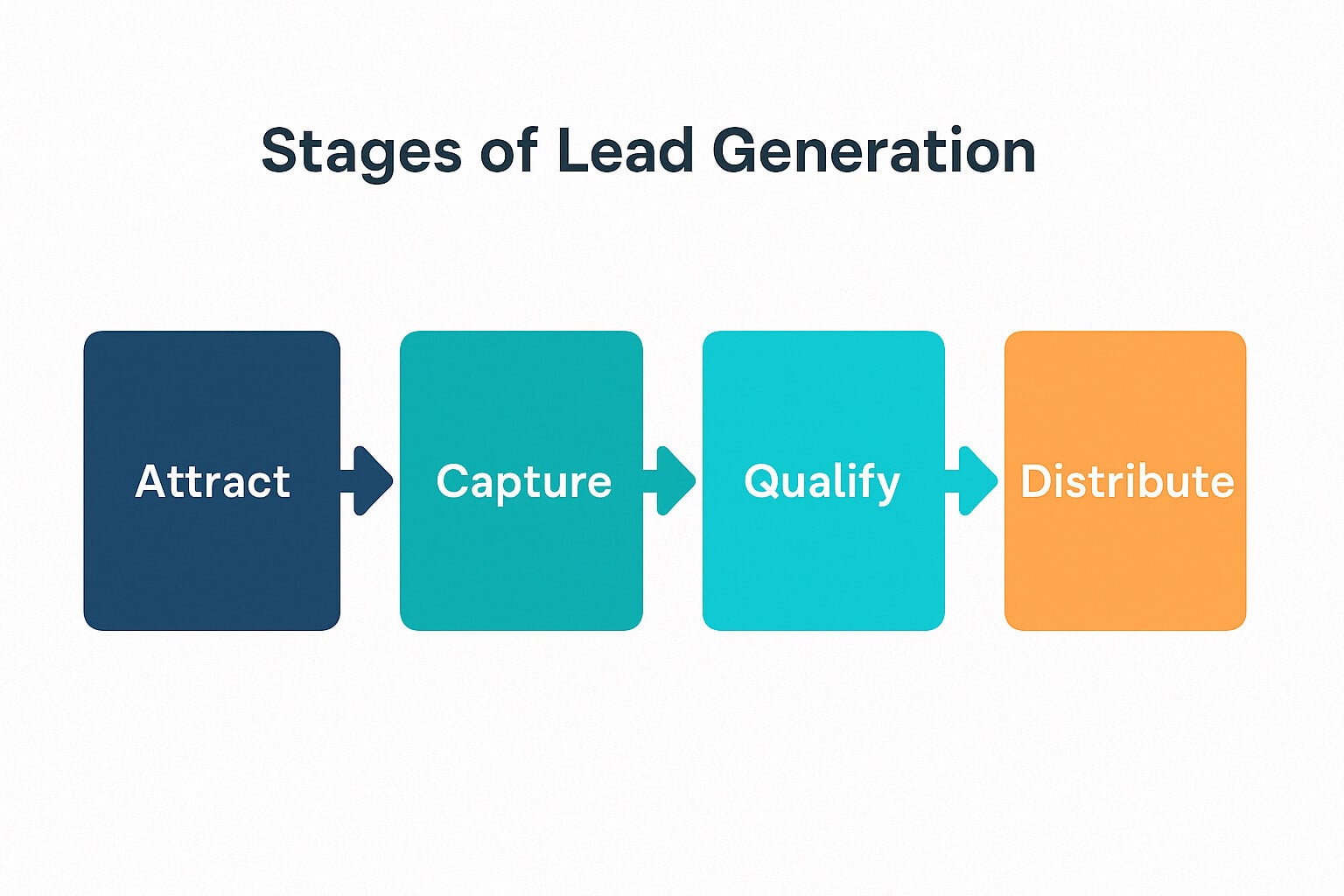
Lead generation is how businesses attract people who may want to buy a product or service. These people—called leads—share their contact information or reach out directly, showing interest in what the business offers.